


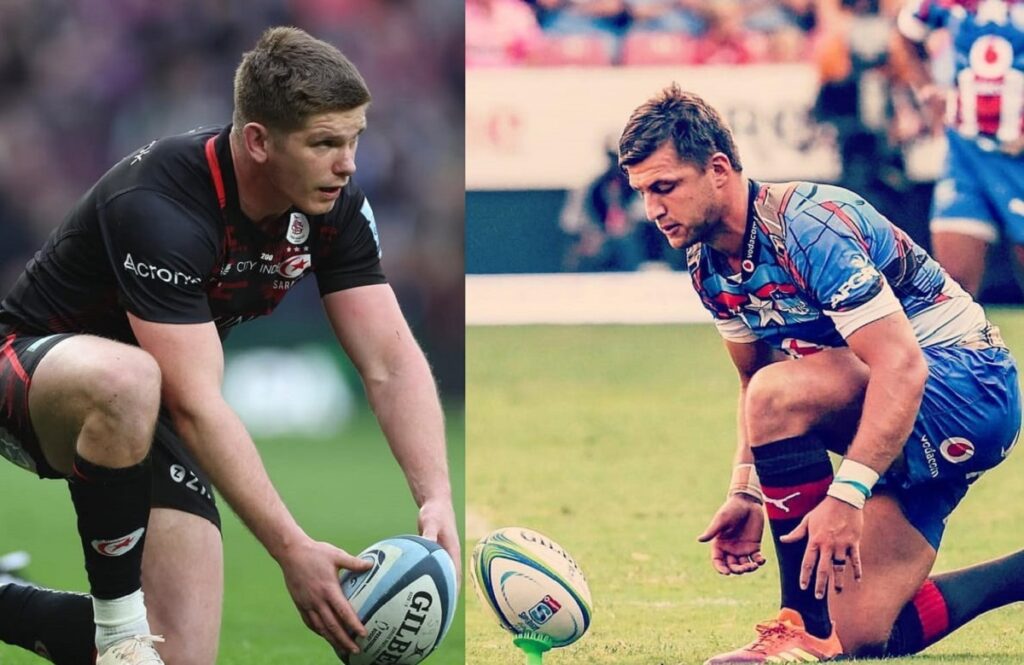
The fly-half is the brain of a rugby team. They control the game, dictate tempo, and make key decisions under pressure. Without a strong fly-half, even talented teams can look disorganised. Therefore, this position remains one of the most influential roles in rugby.
In modern rugby, the fly-half does far more than pass and kick. They must read the game, lead the attack, and manage territory constantly. Let’s break down exactly what a fly-half does today.
What Is a Fly-Half in Rugby?
A fly-half wears the number 10 jersey. They stand between the scrum-half and the rest of the backline. This position links forwards and backs in every attacking phase.
Moreover, the fly-half often receives the ball first from the scrum-half. This means they usually decide what happens next. They can pass, kick, or run depending on the situation.
For example, Johnny Sexton built his career on controlling games calmly. Similarly, Beauden Barrett adds speed and unpredictability to the role.
Game Management: The Fly-Half’s Core Role
Game management defines elite fly-halves. They decide when to attack, slow down, or kick for territory.
Firstly, they must read defensive structures quickly. Then, they choose the best option in seconds. This decision-making separates average players from great ones.
For instance, Owen Farrell controls matches with composure and tactical awareness. Meanwhile, Richie Mo’unga accelerated play when gaps appear.
Additionally, fly-halves must manage pressure in tight moments. They guide their team during crucial phases late in matches. Therefore, leadership is essential in this role.
Passing and Distribution Skills
Passing is a fundamental skill for any fly-half. However, modern fly-halves must pass accurately at high speed.
They deliver flat passes to break defensive lines quickly. They also throw long passes to stretch the defence wide.
Furthermore, timing matters as much as accuracy. A delayed pass can create space for teammates. On the other hand, a rushed pass can kill momentum.
For example, Finn Russell excels at creative distribution. He often unlocks defences with unexpected passing angles.
Kicking Game: Tactical and Attacking Weapon
Kicking defines modern fly-half play. It is no longer just about clearing the ball.
Firstly, fly-halves use tactical kicks to gain territory. They pin opponents deep in their own half. This helps relieve pressure and control field position.
Secondly, they use attacking kicks to create scoring chances. Cross-field kicks and grubbers can break defensive lines.
For example, Marcus Smith uses attacking kicks with flair. Similarly, Handré Pollard focuses on precise tactical kicking.
Moreover, goal-kicking is often part of their role. Fly-halves must convert penalties and conversions consistently. This directly impacts match outcomes.
Decision-Making Under Pressure
Decision-making is the most important fly-half skill. They must choose correctly within seconds.
Defences in modern rugby are fast and aggressive. Therefore, hesitation often leads to mistakes.
Fly-halves constantly scan the field before receiving the ball. This allows them to act quickly once they gain possession.
For example, Dan Carter mastered decision-making during his career. He always seemed one step ahead of defenders.
Additionally, modern fly-halves must adapt during chaotic phases. Broken play often creates unpredictable situations. Thus, awareness becomes critical.
Running Game: Threat Around the Defensive Line
Modern fly-halves must run effectively. They cannot rely only on passing and kicking.
A strong running threat keeps defenders guessing. It forces them to stay honest in defence.
For instance, Beauden Barrett uses speed to exploit gaps. Likewise, Finn Russell mixes running with creative playmaking.
Moreover, timing the run is crucial. Running too early can close space for others. Running too late can miss opportunities.
Therefore, elite fly-halves balance running with distribution.
Defensive Responsibilities
Fly-halves also play a key defensive role. They often defend in the frontline.
This exposes them to physical collisions regularly. Therefore, tackling ability is essential.
Additionally, they must organise defensive structures. Communication helps maintain alignment across the team.
For example, Owen Farrell is known for strong defensive leadership. He directs teammates while making dominant tackles.
Furthermore, fly-halves must read attacking patterns quickly. This helps them anticipate plays and make crucial stops.
Communication and Leadership
Fly-halves act as on-field leaders. They communicate constantly with teammates.
Firstly, they guide forwards around the breakdown. Secondly, they direct the backline during attacking phases.
Clear communication ensures everyone understands the plan. Without it, attacking moves can break down quickly.
For example, Johnny Sexton led Ireland with vocal authority. He constantly instructed players throughout matches.
Moreover, leadership becomes vital in high-pressure moments. Fly-halves must stay calm and confident. This helps the team remain composed
Controlling Tempo and Game Flow
Tempo control is another key responsibility. Fly-halves decide how fast the game moves.
They can slow play to regain structure. Alternatively, they can speed up to exploit tired defences.
For instance, Richie Mo’unga often increases tempo in broken play. Meanwhile, Handré Pollard prefers controlled, structured phases.
Additionally, tempo changes can disrupt opponents. A sudden shift can create scoring opportunities.
Therefore, controlling rhythm is a powerful tool.
Modern Fly-Half vs Traditional Fly-Half
The role has evolved significantly over time. Traditional fly-halves focused mainly on kicking and passing.
However, modern fly-halves must be complete players. They need speed, strength, and versatility.
Today’s game demands multi-skilled athletes. Fly-halves must attack, defend, and lead equally well.
For example, Marcus Smith represents the modern attacking fly-half. In contrast, Owen Farrell reflects a more structured approach.
Both styles succeed in different systems. Therefore, adaptability is crucial in modern rugby.
What Skills Make a Great Fly-Half?
Several key skills define elite fly-halves. Firstly, decision-making remains the most important ability. Secondly, strong passing ensures effective distribution.
Thirdly, a varied kicking game provides tactical options. Additionally, communication and leadership build team cohesion.
Furthermore, defensive ability cannot be ignored. Modern fly-halves must handle physical challenges confidently.
Finally, mental toughness sets the best apart. They perform consistently under pressure.
Why the Fly-Half Is the Most Important Back
Many consider the fly-half the most important back. They influence almost every attacking phase.
Without a strong fly-half, attacks lack direction. Consequently, teams struggle to break defences.
Moreover, they often decide tight matches. A single decision can change the outcome.
For example, Jonny Wilkinson famously controlled major finals. His composure under pressure defined his legacy.
Therefore, teams invest heavily in developing top fly-halves.
Final Thoughts: The Evolution of the Number 10
The fly-half role continues to evolve. Modern rugby demands more from this position than ever before.
They must combine intelligence, skill, and physicality. Additionally, they must lead and inspire teammates constantly.
As rugby becomes faster, the role grows even more important. Fly-halves now shape how teams attack and defend.
Looking ahead, the best fly-halves will be complete athletes. They will master every aspect of the game.
Ultimately, the fly-half remains rugby’s ultimate playmaker.